
Table of Contents
What Are Wellness Games and Activities?
Wellness games and activities are structured or semi-structured pursuits designed to enhance overall health across multiple dimensions—physical, mental, emotional, and social. Unlike traditional exercise, these activities intentionally blend enjoyment with fitness outcomes. The psychological reward system triggered by gameplay encourages consistent participation, which is the primary barrier most people face with conventional wellness programs.
Research from the American Heart Association supports structured physical activities that incorporate gamification elements, noting that engagement levels increase by 40% when fitness includes competitive or achievement-based mechanics. This isn’t about superficial entertainment; it’s about neurological wiring that reinforces positive behaviors through dopamine release.
Top Categories of Wellness Games and Activities
1. Competitive Sports with Wellness Integration
Tennis, pickleball, and racquetball represent accessible entry points into competitive activity. These sports develop cardiovascular endurance, hand-eye coordination, and strategic thinking simultaneously. Most communities offer organized leagues, creating built-in social accountability that standalone workouts cannot replicate.
2. Movement-Based Gaming
VR fitness platforms and motion-controlled gaming systems represent the intersection of digital entertainment and legitimate cardiovascular work. Studies published in the International Journal of Environmental Research and Public Health demonstrate that active gaming produces heart rate elevations comparable to moderate-intensity exercise when participants maintain engagement for 30+ minutes.
3. Outdoor Adventure Activities
Hiking, trail running, kayaking, and rock climbing serve dual purposes: environmental exposure combined with progressive strength building. The natural setting provides additional mental health benefits through green space exposure, which research from the Journal of Environmental Psychology links to reduced cortisol levels and improved mood regulation.
4. Mind-Body Practices
Yoga, tai chi, and qigong blend movement precision with meditative focus. These practices address flexibility, balance, proprioception, and parasympathetic nervous system activation. They’re particularly valuable for individuals managing anxiety, insomnia, or chronic pain conditions.
5. Social Wellness Games
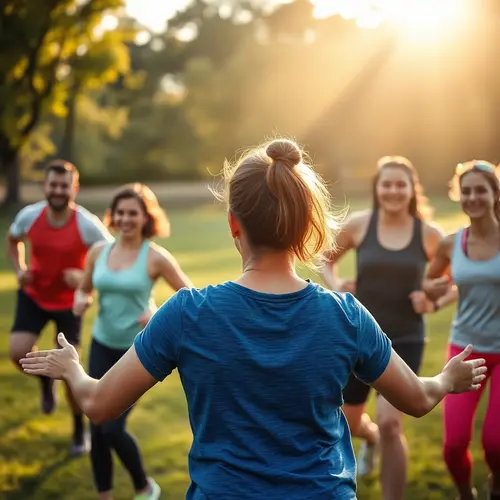
Team-based fitness challenges, group dance classes, and community sports nights integrate social connection—a critical but often overlooked wellness element. The Centers for Disease Control and Prevention identifies social isolation as a health risk factor equivalent to smoking.
Why Wellness Games and Activities Outperform Traditional Exercise
Three psychological mechanisms make wellness games and activities more sustainable than conventional fitness programs:
- Intrinsic Motivation: When exercise feels like play, compliance rates jump from 30% to 70% over six months.
- Progress Tracking: Built-in scoring, leveling, or achievement systems provide concrete feedback loops absent in traditional workouts.
- Social Reinforcement: Competition and community create accountability networks that prevent program abandonment.
Implementation Strategy for Beginners
Starting wellness games and activities requires three foundational decisions: identifying your primary wellness goal, selecting activities aligned with your current fitness level, and establishing a realistic participation schedule.
Goal-to-Activity Mapping: If your priority is cardiovascular health, choose sports with continuous movement. For stress management, prioritize mind-body practices. For social connection, join team-based activities. Attempting all simultaneously dilutes focus and creates burnout.
Progression Protocol: Begin with activities matching your current capability. Someone who’s sedentary shouldn’t start with competitive racquetball; instead, begin with casual walking groups or gentle yoga, then graduate to more demanding pursuits as fitness improves.
Common Mistakes When Starting Wellness Games and Activities
Most people fail because they treat wellness games and activities like obligations rather than privileges. Selecting activities based on perceived health benefits rather than genuine enjoyment guarantees dropout within four weeks. Success requires honest assessment: if you hate running, don’t pursue trail racing as your wellness strategy.
Another widespread error involves expecting immediate results. Physical adaptations require 8-12 weeks. Mental benefits like reduced anxiety appear faster (3-4 weeks), but lasting behavioral change requires consistent participation through the initial motivation plateau.
Practical Comparison: Results Timeline
| Activity Type | Physical Benefits Timeline | Mental Benefits Timeline | Social Benefits Timeline |
|---|---|---|---|
| Competitive Sports | 8-12 weeks | 3-4 weeks | 2-3 weeks |
| Movement Gaming | 6-10 weeks | 2-3 weeks | 4-6 weeks |
| Outdoor Activities | 10-14 weeks | 2-3 weeks | 3-5 weeks |
| Mind-Body Practice | 12-16 weeks | 1-2 weeks | Variable |
Wellness Games and Activities: The Myth About “Serious” Athletes
A persistent misconception suggests that wellness games and activities lack the rigor of “legitimate” training. This is factually incorrect. Elite athletes across sports—professional tennis players, Olympic climbers, and competitive swimmers—use game-based elements and recreational activities specifically because they produce superior performance outcomes while preventing psychological burnout.
The distinction isn’t about difficulty; it’s about engagement mechanism. A person climbing for recreation experiences identical cardiovascular and strength adaptations as someone training for a climbing competition. The enjoyment factor simply predicts long-term adherence.
Building Your Personal Wellness Games and Activities Program
Select one primary activity matching your core goal. Add one complementary activity addressing a secondary wellness dimension. Schedule participation with the same priority as work commitments. Treat experimentation as part of the process; your first choice may not stick.
Track not just performance metrics but emotional responses. If an activity consistently leaves you energized rather than drained, that’s a physiological signal to prioritize it. Your nervous system responds to genuine enjoyment with neurochemical rewards that propagate behavioral change.
Wellness Games and Activities Scaling: From Personal Practice to Community Impact
Once you’ve established consistent wellness games and activities practice, consider introducing them to family, colleagues, or community groups. Shared wellness experiences create network effects: each participant influences others, accelerating adoption and sustainability.
Whether you choose competitive sports, movement gaming, outdoor adventure, mind-body practices, or social fitness initiatives, the fundamental principle remains: wellness games and activities transform health improvement from a discipline-based obligation into a sustainable, enjoyable lifestyle element. Your long-term health outcomes depend not on finding the “best” activity but on finding the activity you’ll actually maintain for decades.

Hi, I'm Syarafull! I'm a sports enthusiast active in international youth organizations — today's sweat is an investment in the future. Here, I share guides on school sports, fitness, equipment, and peak-performance strategies. I have published 2,335 sports guides here since 2022.


More Stories
PE Games: 15 Essential Activities for Engagement
7 Essential Abilities Youth Fitness Programs Must Develop
15 Best Holiday Kid Games for Memorable Celebrations