
Table of Contents
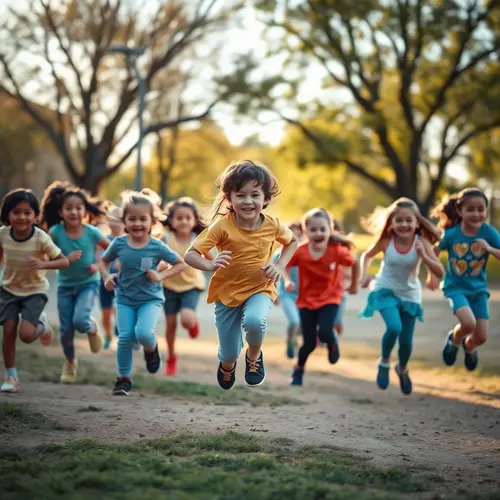
Building a foundation of physical wellness that extends from childhood into adulthood requires more than occasional exercise. Youth fit for life represents a comprehensive approach to developing sustainable movement patterns, healthy habits, and positive relationships with physical activity that serve young people throughout their entire lives. The evidence is clear: children who establish active lifestyles early demonstrate better cardiovascular health, stronger bones, improved mental health, and enhanced academic performance.
According to the Centers for Disease Control and Prevention, only 24% of children ages 6-17 meet the recommended 60 minutes of daily physical activity. This alarming gap reveals why structured, intentional programming focused on lifelong fitness has become essential rather than optional.
What Makes Youth Fit for Life Different
Traditional youth sports often emphasize competition and early specialization. The youth fit for life philosophy takes a broader view.
This approach prioritizes fundamental movement literacy over sport-specific skills. Young people learn to run, jump, throw, catch, balance, and coordinate their bodies through varied activities rather than repetitive drills in a single sport.
The World Health Organization guidelines support this multi-dimensional approach, recommending that children engage in aerobic activities, bone-strengthening exercises, and muscle-strengthening movements throughout the week. Variety prevents burnout, reduces overuse injuries, and keeps engagement high.
Core Components of Effective Programming
Successful implementation requires attention to several interconnected elements. Each plays a distinct role in creating lasting behavioral change.
Movement Competency and Youth Fit for Life Success
Fundamental movement skills form the foundation. These include locomotor skills (running, hopping, galloping), object control skills (throwing, catching, kicking), and stability skills (balancing, twisting, landing).
Research from the American Academy of Pediatrics demonstrates that children who master these basics by age 7-8 are significantly more likely to remain physically active through adolescence and adulthood. Without this foundation, young people often avoid activities where they feel incompetent, creating a negative spiral.
Building Intrinsic Motivation
External rewards and pressure create compliance, not commitment. The youth fit for life model emphasizes autonomy, competence, and social connection.
Children need choices in activities, opportunities to improve at their own pace, and supportive peer environments. When these elements align, physical activity transforms from obligation to enjoyment.
| Program Element | Traditional Approach | Youth Fit for Life Approach |
|---|---|---|
| Focus | Sport-specific skills | Broad movement literacy |
| Intensity | High-intensity competition | Progressive challenge with recovery |
| Specialization | Early (before age 12) | Late (after age 14-15) |
| Success Metrics | Wins and rankings | Skill mastery and sustained participation |
| Dropout Prevention | Reactive | Proactive through variety and autonomy |
Practical Implementation Strategies
Theory matters little without actionable execution. These strategies work across settings from schools to community programs to family routines.
The 10-Minute Movement Blocks
Research published in the Journal of Physical Activity and Health shows that accumulating activity in shorter bursts throughout the day produces similar benefits to longer continuous sessions. This finding revolutionizes how we structure youth fit for life programming.
Instead of demanding hour-long commitments, break activity into digestible 10-15 minute segments. Morning movement games, active lunch breaks, after-school activities, and family evening walks collectively meet daily requirements without overwhelming schedules.
Environmental Design Matters
Physical spaces shape behavior more than we recognize. Create environments that make movement the easy default choice.
- Position equipment where children naturally congregate
- Design outdoor spaces with varied terrain and challenge levels
- Eliminate extended sitting periods in structured settings
- Provide equipment suitable for different skill levels simultaneously
- Make active transportation to school safe and appealing
Addressing Common Barriers
The gap between knowledge and practice often stems from unaddressed obstacles. Identifying and systematically removing these barriers determines success rates.
The Technology Challenge
Screen time competes directly with physical activity. Rather than demonizing technology, integrate it strategically.
Activity tracking apps designed for youth can increase engagement when used properly. Virtual challenges connecting peers create social motivation. The key lies in using technology as a bridge to physical activity rather than a replacement for it.
Equity and Access Issues
Income disparities create fitness disparities. Effective youth fit for life initiatives must address economic barriers explicitly.
Free community programming, equipment lending libraries, and partnerships with schools ensure that zip codes don’t determine health trajectories. According to research from the Robert Wood Johnson Foundation, communities that invest in accessible recreational infrastructure see measurable improvements in youth activity levels across all income brackets.
Expert Perspective: The Specialization Trap
One pervasive myth deserves direct confrontation: early sport specialization improves performance. The evidence contradicts this firmly.
Data from the American Orthopaedic Society for Sports Medicine reveals that young athletes who specialize before age 12 face 70-93% higher injury rates than multi-sport athletes. They also demonstrate higher burnout rates and lower long-term participation in physical activity.
True expertise requires approximately 10,000 hours of deliberate practice, but this accumulation should span adolescence and early adulthood, not childhood. Early diversification builds broader athletic foundations that enhance later specialization when young people choose it freely.
Measuring Success Beyond the Scale
Weight-centric metrics dominate fitness discussions, but they miss the point entirely for youth populations. Better indicators include:
- Sustained participation rates across seasons and years
- Demonstrated competence in fundamental movement patterns
- Positive attitudes toward physical challenge
- Social connections formed through activity
- Transfer of skills across different movement contexts
These process measures predict long-term health outcomes more reliably than any single fitness test score or body composition measurement.
Building a Sustainable Future
The ultimate goal extends beyond individual children to cultural transformation. When communities prioritize active living through policy, infrastructure, and programming, entire populations benefit.
Schools adopting comprehensive physical education models see improvements in academic performance alongside fitness gains. Neighborhoods designed with walkability and play spaces demonstrate lower obesity rates and stronger social cohesion.
The youth fit for life framework provides a roadmap for creating these systemic changes. It recognizes that individual behavior exists within larger contexts that either enable or constrain healthy choices. By addressing both personal skills and environmental factors, we create conditions where active living becomes the natural, easy choice rather than a constant struggle against default patterns.
Hi, I'm Syarafull! I'm a sports enthusiast active in international youth organizations — today's sweat is an investment in the future. Here, I share guides on school sports, fitness, equipment, and peak-performance strategies. I have published 2,335 sports guides here since 2022.


More Stories
Skinny Fit Super Youth Powder: Complete Expert Guide
Running Shoes 2026: The Ultimate Guide to Perfect Performance & Fit
The Ultimate Guide to Sport Shoes That Deliver Exceptional Power and Style