
Table of Contents
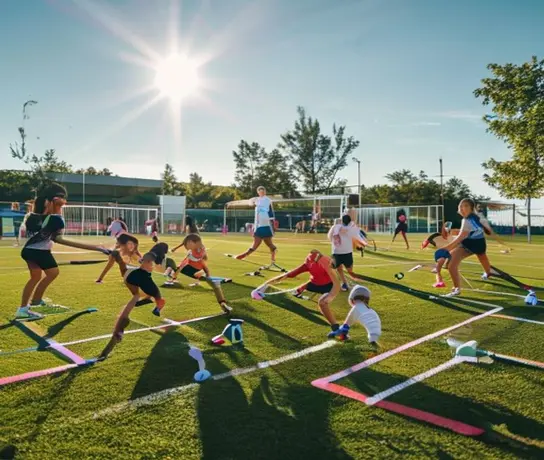
For many parents, the search for enriching summer activities culminates in finding the perfect sports summer camp. But what exactly makes a camp “perfect” in 2026, and what benefits can your child truly gain? A high-quality sports summer camp is more than just a place to burn energy; it’s a dynamic environment designed to foster athletic skill development, instill valuable life lessons, and promote holistic well-being.
In today’s rapidly evolving youth sports landscape, selecting the right program requires careful consideration of modern methodologies, safety protocols, and long-term athlete development principles. Our deep dive, informed by over 15 years in the sports industry, will equip you with the knowledge to make an informed decision that truly unlocks your child’s potential.
The Evolving Landscape of Sports Summer Camps in 2026
The traditional model of a summer camp has undergone significant transformation. In 2026, leading sports summer camps are not just focusing on drills but are embracing a multi-faceted approach, integrating technology, sports science, and a deeper understanding of youth psychology. The market is seeing a surge in demand for specialized camps, yet the pendulum is also swinging back towards advocating for multi-sport exposure, especially for younger athletes.Beyond Just Drills: Holistic Athlete Development
Modern camps understand that true athletic excellence stems from more than just physical prowess. They emphasize a holistic development model, often referred to as Long-Term Athlete Development (LTAD), which considers the child’s physical, mental, and social growth. According to the Aspen Institute’s Project Play initiative, the best youth sports programs prioritize fun, skill acquisition, and age-appropriate training over early specialization and win-at-all-costs mentalities. This includes:- Sports Psychology Integration: Workshops on mental toughness, focus, resilience, and managing competition anxiety are becoming standard.
- Nutritional Guidance: Age-appropriate education on fueling the body for performance and recovery, often with registered dietitians involved.
- Injury Prevention Programs: Led by certified strength and conditioning specialists (CSCS) to teach proper biomechanics and prehabilitation exercises.
- Leadership and Teamwork: Structured activities designed to build communication, conflict resolution, and leadership skills beyond the playing field.
Leveraging Analytics and AI in Youth Training
Gone are the days when coaching was purely observational. In 2026, many elite sports summer camps are incorporating data analytics and even basic AI tools to provide personalized feedback. Wearable technology monitors activity levels, heart rate zones, and sleep patterns, offering insights that help coaches tailor training loads and recovery plans. Video analysis software, once exclusive to professional teams, is now utilized to break down technique and provide visual learning cues for young athletes, enhancing skill acquisition significantly. This data-driven approach, while still requiring expert interpretation, allows for more efficient and effective training progressions.Choosing the Right Sports Summer Camp: A Parent’s Guide
Navigating the myriad of options for a sports summer camp can be daunting. Here’s how to cut through the noise and find the ideal fit for your child.Key Factors for Evaluation
When assessing a potential sports summer camp, prioritize these critical areas:| Factor | Description & 2026 Considerations |
|---|---|
| Coach Quality & Certification | Ensure coaches hold relevant national governing body (NGB) certifications, first aid, and SafeSport (or equivalent) training. Look for low coach-to-athlete ratios for personalized attention. |
| Safety Protocols | Inquire about emergency plans, medical staff on-site, concussion protocols (e.g., CDC HEADS UP), and child protection policies. Check references and reviews regarding safety. |
| Program Structure & Curriculum | Does it align with your child’s age and skill level? Is there a clear progression? Does it balance intensive training with fun and recovery? Avoid programs that promise unrealistic rapid transformation. |
| Athlete Welfare & Inclusivity | A positive, encouraging environment is crucial. Ask about policies regarding bullying, inclusivity for diverse backgrounds, and support for mental well-being. |
| Facilities & Equipment | Are the facilities well-maintained and appropriate for the sport? Is equipment safe and up-to-date? |
The Specialization vs. Multi-Sport Debate
This remains one of the most contentious topics in youth sports. While specialized camps can offer deep dives into a specific sport, the American Academy of Pediatrics (AAP) and leading sports scientists consistently advocate for multi-sport participation, especially before adolescence. Early specialization before age 12-14 can lead to:- Increased risk of overuse injuries, as reported by the National Center for Sports Safety.
- Burnout and loss of interest in sports.
- Limited development of diverse motor skills crucial for overall athleticism.
Expert Opinion: Debunking the “Hyper-Specialization Pays Off Early” Myth
As a sports expert with decades in the field, I often encounter the pervasive myth that intensive early specialization is the fast track to athletic scholarships or professional careers. While it’s true that some elite athletes focused on one sport from a young age, the vast majority, particularly those demonstrating long-term success, benefited from a diverse athletic background during their formative years. The idea that a 7-year-old needs to attend a sport-specific sports summer camp year-round to “get ahead” is not only misguided but potentially harmful. Consider the data: a study published in the Journal of Sport Sciences found that elite athletes often participated in multiple sports until late adolescence. The varied movements, cognitive challenges, and social dynamics from different sports contribute to a more robust, adaptable, and injury-resilient athlete. A multi-sport sports summer camp, therefore, can often be a superior choice for developing fundamental athleticism and preventing burnout than a highly specialized one for younger children. Investing in a quality sports summer camp is investing in your child’s physical health, mental fortitude, and social development. By prioritizing expert coaching, robust safety measures, a holistic curriculum, and understanding the nuances of modern athletic development, you can ensure your child has an unforgettable, beneficial summer experience. Choosing the right sports summer camp in 2026 means looking beyond the brochure and delving into the program’s philosophy, staff credentials, and commitment to genuine athlete welfare. It’s about finding a place where your child can thrive, grow, and build a lasting love for movement and competition.What makes a great sports summer camp?
Low coach-to-camper ratios, varied activities, and clear safety plans matter most. Read recent parent reviews for insight beyond brochures.
How long should camp days last?
Half days suit under-eights, while older kids handle full days with swim breaks. Watch energy in week one and adjust the schedule early.
What should kids pack daily?
Water, sunscreen, snacks, and labeled gear cover nearly everything. Leave valuables home since shared cabins lose track fast.
Syarafull Ra
Hi, I'm Syarafull! I'm a sports enthusiast active in international youth organizations — today's sweat is an investment in the future. Here, I share guides on school sports, fitness, equipment, and peak-performance strategies. I have published 2,335 sports guides here since 2022.


More Stories
PE Games: 15 Essential Activities for Engagement
7 Essential Abilities Youth Fitness Programs Must Develop
5 Proven Wellness Games and Activities That Actually Work