
Table of Contents
Why Wellness Activities for High School Students Matter
The adolescent brain undergoes significant development during high school years, making this a critical window for establishing wellness routines. According to the Centers for Disease Control and Prevention, only 24% of high school students get adequate physical activity, and nearly 40% report persistent feelings of sadness or hopelessness. Wellness activities for high school students address multiple dimensions of health simultaneously. These practices build resilience, improve focus, strengthen social connections, and create protective factors against anxiety and depression. The key is implementing activities that feel authentic rather than forced.Physical Wellness Activities That Work
Movement-Based Practices for Wellness Activities for High School Students
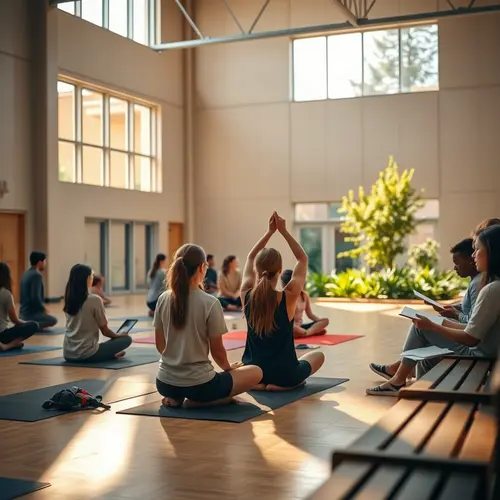
Physical activity remains foundational. Beyond traditional team sports, students benefit from diverse movement options that accommodate different preferences and abilities.- Morning mobility routines: 10-15 minute sequences combining stretching, breathwork, and light cardio before school activates the nervous system and improves classroom focus.
- Walking meditation: Combining mindfulness with movement during lunch breaks reduces midday stress and provides mental clarity for afternoon classes.
- Recreational sports clubs: Non-competitive activities like ultimate frisbee, rock climbing, or dance allow participation without the pressure of varsity athletics.
- Strength training programs: Supervised weightlifting or bodyweight training builds confidence, improves body image, and releases endorphins.
Mental and Emotional Wellness Strategies
Mindfulness and Cognitive Practices
The National Institutes of Health recognizes mindfulness-based interventions as evidence-based approaches for adolescent mental health. These these programs develop metacognitive skills and emotional awareness. Guided meditation apps designed for teens provide structured 5-10 minute sessions that fit between classes. Journaling practices, particularly gratitude journals or emotion tracking, help students identify patterns and triggers. Cognitive reframing exercises teach students to challenge negative thought patterns and develop more balanced perspectives.Creative Expression as Wellness
Art therapy principles inform creative these programs that process emotions non-verbally. Music creation, visual arts, creative writing, or drama participation activate different neural pathways and provide outlets for complex feelings that adolescents struggle to articulate. Schools implementing dedicated creative wellness spaces report decreased disciplinary incidents and improved student satisfaction. The key is removing performance pressure and focusing on process over product.Social Wellness Through Connection
Peer relationships significantly impact adolescent wellbeing. Structured social these programs build community and combat isolation.- Peer mentorship programs: Upperclassmen supporting underclassmen creates reciprocal benefits and reduces hierarchical social anxiety.
- Service learning projects: Community engagement activities provide purpose, perspective, and meaningful social connection beyond school walls.
- Affinity groups: Identity-based or interest-based clubs offer safe spaces for students to connect over shared experiences.
- Collaborative projects: Team-based academic or creative work develops communication skills and interdependence.
Practical Implementation Framework
Integrating Wellness Activities for High School Students Into Daily Routines
Sustainability matters more than intensity. The American School Health Association recommends starting with micro-habits rather than overwhelming overhauls. A five-minute morning breathing practice builds consistency better than an ambitious hour-long routine that students abandon within a week. School-based implementation works best when wellness activities are normalized rather than stigmatized. Advisory periods, homeroom time, or dedicated wellness blocks remove barriers to participation. Making activities opt-out rather than opt-in dramatically increases engagement.| Activity Type | Time Required | Primary Benefit | Implementation Setting |
|---|---|---|---|
| Breathwork exercises | 5-10 minutes | Stress reduction | Classroom or home |
| Movement breaks | 10-15 minutes | Focus enhancement | School-wide or individual |
| Journaling practice | 10-20 minutes | Emotional processing | Home or advisory period |
| Social connection activities | 30-60 minutes | Belonging and support | After school clubs |
| Creative expression | 45-90 minutes | Stress relief and identity | Elective classes or home |
Expert Perspective: The Autonomy Factor
One commonly overlooked element in these programs is student choice and autonomy. Many well-intentioned programs fail because they impose activities rather than offering menus of options. Adolescent development research emphasizes that teenagers are highly sensitive to authenticity and control. Mandatory wellness programs often trigger resistance, while providing agency within structure yields better outcomes. The most effective approach involves educating students about wellness dimensions, then allowing them to design personalized practices that align with their interests and schedules.Addressing Common Implementation Barriers
Time constraints represent the most frequently cited obstacle. However, the false choice between academics and wellness ignores substantial evidence that wellness practices improve academic performance rather than competing with it. Students who engage in regular these programs demonstrate better information retention, improved test performance, and higher graduation rates according to longitudinal studies from educational research institutions. The investment pays dividends across all areas of student life.Building Long-Term Wellness Habits
High school represents a unique opportunity to establish patterns that persist into adulthood. The habits students develop during these formative years often continue throughout their lives. Schools and families that prioritize these programs invest in long-term health outcomes and life satisfaction. The goal is not perfection but progress. Students should experiment with different activities, notice what genuinely helps them feel better, and build sustainable routines around those practices. Flexibility and self-compassion matter more than rigid adherence to any particular program. Effective wellness activities for high school students acknowledge the unique challenges of adolescence while building practical skills for lifelong wellbeing. By addressing physical, mental, emotional, and social dimensions of health through evidence-based practices, schools and families can support students in developing the resilience and self-awareness necessary for navigating both immediate academic demands and future life challenges.Launch this term: wellness activities work when students choose them. Pair plans with fun PE games for high school and youth fitness basics. Adolescent guidance at CDC supports every step.
What wellness activities suit busy school days?
Short movement breaks, breathing drills and walking meetings fit packed schedules. Ten focused minutes beat skipped hour sessions.
How do we get student buy-in?
Offer choices and let students vote on activities. Ownership doubles participation within weeks.
How is progress measured?
Track attendance, mood check-ins and fitness benchmarks termly. Trends matter more than single scores.
Hi, I'm Syarafull! I'm a sports enthusiast active in international youth organizations — today's sweat is an investment in the future. Here, I share guides on school sports, fitness, equipment, and peak-performance strategies. I have published 2,335 sports guides here since 2022.


More Stories
The Ultimate Guide to Mastering the Crows and Cranes Game
Youth Fitness: 7 Ways to Beat Chicken Fat for Kids
15 Fun PE Games for Preschoolers That Build Motor Skills