
Table of Contents
How to choose sports equipment comes down to three tests: does it fit the athlete, does it meet the safety standard for that sport, and will it survive a full season of real use? Price matters, but only after those three boxes are ticked.
This guide to sports equipment turns that idea into nine checks you can run in a store, at a club sale, or while reading an online listing. Each check is short enough to use on your phone and specific enough to stop an impulse purchase.

A good purchase is boring in the best way. It fits on day one, needs no modification, and still works in week twelve. The checks below are built around that outcome rather than around brand names or launch-day hype.
How to Choose Sports Equipment: 9 Practical Checks
Work through the checks in order. If a product fails an early check, stop there. A discount rarely makes up for a poor fit or a missing safety label.
1. Start With Fit, Not Features
Fit is the first filter for any sports equipment purchase. It includes length, width, weight, and the range of motion the athlete actually needs. A shoe that pinches the toe box or a bat that feels heavy at the handle will change how someone moves, which raises the risk of overuse pain. Bring the socks, insoles, or braces you normally use when you try gear on.
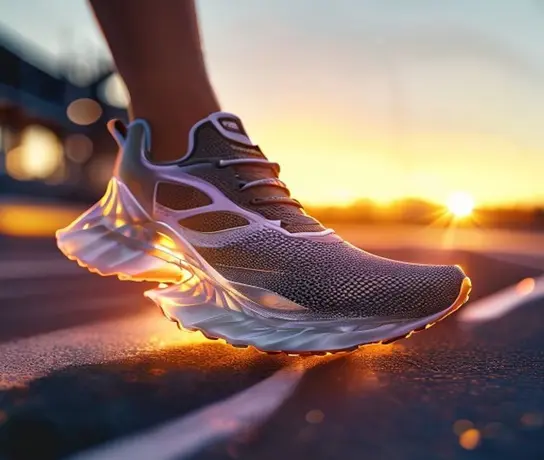
For runners, fit deserves more attention than cushioning claims. Our guide to running shoes that fit properly explains how to check heel lock, toe room, and midfoot pressure before you buy.
2. Confirm the Safety Standard
Helmets, pads, mouthguards, and eye protection should carry the certification required for that sport and age group. Look for a permanent label inside the product, not a sticker on the box. The CPSC standards database is a useful starting point for US buyers.
Never modify protective gear. Cutting a helmet shell, drilling a pad, or removing a face guard can void the certification and the warranty at the same time.
3. Match the Gear to the Level of Play
Beginner gear should make the sport easier to learn. Advanced gear is designed for speed, power, or precision, and it often punishes inconsistent technique. A junior golfer does not need a tour-weighted iron, and a new cricket player does not need a bat with a tiny sweet spot.
Ask one question before upgrading: which specific skill will this purchase improve? If the answer is vague, the current gear is probably still doing its job.
4. Check Adjustability and Growth Room
Youth sports equipment should grow with the athlete, so adjustable bindings, straps, and shafts can extend the life of a purchase by a season or more. Growth room should be measured in function, not in centimeters of empty space. A shoe that is two sizes too large causes blisters, and an oversized bat changes swing mechanics.
For equipment shared by siblings or a team, prioritize tools that adjust with a single fitting rather than models that need a new part for every size change.
5. Weigh the Material Against the Job
Material claims are only useful when they match the task. Aluminum bats tolerate cold weather better than some composites, while composite shafts can reduce vibration. In golf, the choice between blade irons and cavity-back irons changes forgiveness far more than the marketing copy suggests.
If you play in heat, cold, rain, or on artificial turf, ask how the material behaves in those conditions. A product that performs only in perfect weather is a poor fit for a real season.
6. Calculate the Real Cost of Ownership
The real cost of sports equipment starts with the sticker price, but that is only the first payment. Add replacement cleats, grip tape, strings, inner tubes, batteries, and shipping for spare parts. A cheaper item that needs replacement twice a season can cost more than a durable model bought once.
Write the annual cost next to the purchase price. That single number makes budget conversations easier and exposes deals that are not actually deals.
7. Inspect the Warranty and Spare Parts
A sports equipment warranty is only valuable if the brand stocks the parts you will need. Check whether soles, buckles, straps, or grips are sold separately, and confirm the return window before you order. For team gear, ask whether the club can order replacements through the same supplier.
Keep the receipt and photograph the serial number. Those two steps make a claim much easier if a seam fails or a frame cracks.
8. Test the Return Policy Before You Pay
Online sports equipment prices are often better, but fit is harder to judge from a photo. Look for a return window that covers at least one training session, and read the condition rules. Some retailers reject returns once gear has been used outdoors.
If the policy is unclear, ask in writing. A seller who cannot explain the return process before the sale will be harder to deal with after it.
9. Buy for the Season You Actually Play
Match sports equipment to the season you actually play. A sport played for six weeks does not need the same investment as one played for nine months. Match durability, warranty length, and accessories to the length of your season. This is also where rental or secondhand gear can be the smarter financial choice.
The goal is not the cheapest option or the most advanced option. The goal is the option you can use consistently without replacing it midseason. If you remember nothing else about how to choose sports equipment, remember that consistency beats specification.
Match the Gear to the Sport
Choosing sports equipment by sport starts with the specifications that affect fit and safety. Different sports reward different specifications. Use the table below as a starting point, then verify the details with a coach or a specialist retailer. The right sports equipment is the piece that removes friction from practice.
| Sport | Spec that matters most | Where to save | Where not to cut |
|---|---|---|---|
| Running | Fit and midsole condition | Apparel, socks, accessories | Shoes used for long distances |
| Golf | Shaft flex and head forgiveness | Gloves, towels, practice balls | Grip size and lie angle |
| Cricket | Bat weight and handle shape | Practice balls, kit bags | Helmet and batting pads |
| Football | Cleat pattern and fit | Training bibs, ball pump | Shin guards and boots |
| Basketball | Court grip and ankle support | Shooting sleeves, bags | Shoes used on indoor courts |
Set a Budget You Can Defend
A sports equipment budget is not a single number. Split it into core gear, safety gear, and consumables. Core gear lasts multiple seasons, safety gear should never be compromised, and consumables should be priced per month rather than per purchase.
| Tier | Best for | What to prioritize |
|---|---|---|
| Entry | First season, school programs, casual play | Fit, certification, easy returns |
| Club | Weekly practice and league games | Durability, spare parts, warranty |
| Performance | Competitive athletes with a coach | Measured fit, tuning, replacement cycle |
Set a ceiling before you shop and leave ten percent for tax, shipping, and a spare part. That buffer prevents the common mistake of buying the headline item and then skipping the accessories that make it usable.
New, Used, or Rental?
When New Makes Sense
Buy new sports equipment for helmets, protective pads, and anything with a safety certification that depends on unseen structural integrity. You want a known history, a valid warranty, and a return path. New also makes sense when the model must match a coach’s specification.
How to Vet Used Gear
Inspect used sports equipment for seams, soles, grips, and mounting points. Ask for the purchase date, the number of seasons used, and photos of any repairs. For bats and rackets, check for cracks and dead spots. For shoes, reject anything with a compressed midsole or uneven wear.
When Renting Wins
Rent for short seasons, one-off events, and sports a child is still sampling. Rental gear is also useful for adults returning after injury, because it lets you test a lower load before committing to a purchase. Clean and inspect rental gear before every use.
Common Buying Mistakes
- Buying the advanced model too early. Stiff, unforgiving gear slows learning and increases frustration.
- Choosing color over fit. A discounted shoe in the wrong width is not a bargain.
- Skipping the safety label. Certification matters more than brand reputation.
- Forgetting consumables. Strings, grips, and cleats change the annual cost.
- Ignoring the return window. A strict policy turns a bad fit into a sunk cost.
Each mistake is easy to avoid with a short checklist. The pattern behind all five is the same: the purchase decision was made before the athlete’s actual needs were defined.
Care, Storage, and Replacement
Clean sports equipment after every session, dry it fully, and store it away from direct heat. Heat warps composites, cracks rubber, and shortens the life of synthetic fabrics. Keep a small repair kit with the items your sport consumes most often.
Replace gear when performance changes, not only when it breaks. A running shoe with a compressed midsole, a bat with a rattle, or a helmet that has taken a hard impact should be retired even if it still looks acceptable.
Who This Guide Is For
This sports equipment guide is for parents buying a first season of gear, adult beginners returning to a sport, and coaches who need a repeatable purchasing standard for a team. It is also useful for club administrators who buy in bulk and need to justify each line item.
It is not a brand ranking. Specifications change, and a model that fits one athlete may be wrong for another. Use the checks to narrow the shortlist, then test the final two or three options in person whenever possible.
Verdict
The best purchase is the one that fits, meets the safety standard, and survives the season without extra spending. Use this framework for how to choose sports equipment before every major purchase, and revisit it when an athlete changes level or size. Start with fit and certification, set a budget with a buffer, and treat advanced features as optional until the basics are solved. That approach keeps costs predictable and keeps athletes on the field.
Measure Before You Shop
Measurement removes most of the guesswork from how to choose sports equipment. Write down shoe size with the socks you wear, glove size, bat length, helmet circumference, and any brace or insert the athlete uses. For young athletes, measure again at the start of every season because a growth spurt can change two or three sizes at once.
Bring those numbers to the store and compare them with the manufacturer size chart, not with the label on the old product. Size labels drift between brands, and a worn shoe can feel larger than a new one in the same marked size. If you order online, keep the box and packaging until the first training session is complete.
For shared team gear, record the settings that worked. A simple note with strap positions, bat weight, and shoe size saves time at every practice and makes replacements easier to approve.
What to Ask Before You Pay
Ask the seller three questions: what the return window is, whether spare parts are in stock, and which certification the product carries. A good retailer answers all three without checking a script. If the answer is vague, assume the worst and shop elsewhere.
For used gear, add two more questions: how many seasons it was used and why it is being sold. A short, specific answer is a good sign. A story that changes halfway through is a reason to walk away.
Online listings should include clear photos of seams, soles, labels, and serial numbers. Reverse image search the main photo when the price looks unusually low. Counterfeit protective gear is a real risk, and it often fails the safety check that matters most.
Build a Simple Replacement Plan
Every sport has parts that wear out on a predictable schedule. Running shoes often need replacement after 300 to 500 miles, depending on body weight and surface. Grips, strings, and cleats may need attention several times per season. A replacement plan turns surprise costs into a known monthly amount.
Track the purchase date inside the gear bag or in a phone note. When a product reaches the end of its expected life, inspect it before the next competition rather than during it. This habit is especially useful for families managing more than one athlete.
Keep one spare of the item that can end a session: a grip, a lace, a tube, or a mouthguard. The spare does not need to be expensive. It only needs to be the correct size and stored with the gear.
Frequently Asked Questions
What should I check first when buying sports gear?
Check fit and the safety certification before anything else. Confirm that the item matches the athlete’s size, level, and sport, then verify the required label and return window. Features and brand names matter less than a product that fits correctly and can be returned if it does not work.
Is used sports equipment safe to buy?
Used gear can be safe when it has a known history and passes a careful inspection. Avoid used helmets and protective pads because hidden damage is hard to detect. For shoes, bats, and bags, check seams, soles, grips, and mounting points, and ask how many seasons the item was used.
How much should I spend on a first season?
Set a moderate budget for core gear and do not compromise on safety items. Leave roughly ten percent for tax, shipping, and one spare part. Rent or buy secondhand for short seasons and sports the athlete is still sampling, then upgrade only after consistent practice shows a clear need.
Hi, I'm Syarafull! I'm a sports enthusiast active in international youth organizations — today's sweat is an investment in the future. Here, I share guides on school sports, fitness, equipment, and peak-performance strategies. I have published 2,335 sports guides here since 2022.


More Stories
Youth Fit for Life: 7 Essential Principles
Skinny Fit Super Youth Powder: Complete Expert Guide
Running shoes: A Practical Buying Guide