
Table of Contents
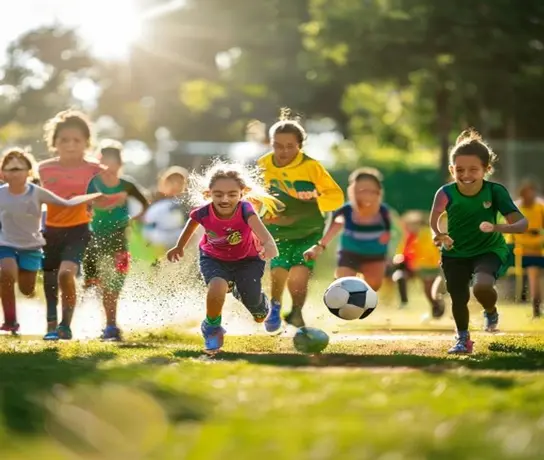
In an increasingly digital world, the importance of engaging children in physical activity cannot be overstated. When considering your child’s holistic development, well-structured sports programs for kids stand out as a foundational element. As a senior sports expert and SEO strategist with over 15 years in the industry, I’ve witnessed firsthand how thoughtfully designed programs can shape not just athletes, but well-rounded individuals ready to thrive in the challenges of 2026 and beyond. This article delves into the critical aspects parents need to understand, ensuring their children gain maximum benefit from their athletic pursuits.
The Indisputable Benefits of Sports Programs for Kids in 2026
The landscape of youth development has evolved, yet the core advantages of sports remain timeless, amplified by modern research. Beyond simply burning energy, participation in organized sports offers multifaceted benefits:
- Physical Literacy & Health: According to the Centers for Disease Control and Prevention (CDC), only about 24% of children aged 6–17 years participate in 60 minutes of physical activity every day. High-quality sports programs for kids are crucial in combating rising childhood obesity rates and fostering fundamental movement skills (running, jumping, throwing, catching) vital for a lifetime of activity. These programs inherently promote cardiovascular health, muscular strength, flexibility, and coordination.
- Cognitive Development & Academic Success: Emerging data from institutions like the American Academy of Pediatrics consistently link physical activity to improved cognitive functions. Children engaged in sports often exhibit better concentration, enhanced problem-solving skills, and superior executive function capabilities, translating to better academic performance and classroom behavior.
- Social-Emotional Learning (SEL): Sports are a natural laboratory for SEL. Children learn teamwork, communication, leadership, and conflict resolution. They develop resilience through wins and losses, learn to manage emotions under pressure, and build self-esteem. In 2026, with increasing awareness around youth mental health, these social-emotional dividends are more valuable than ever.
Navigating the Landscape: Choosing the Right Sports Programs for Kids
With an abundance of options, selecting the ideal program requires informed decision-making. My professional experience underscores the need to look beyond mere popularity.
Age-Appropriate Engagement: From Play to Performance in Sports Programs for Kids
Understanding developmental stages is paramount for successful long-term engagement:
- Early Childhood (Ages 2-6): Focus on fundamental movement, creative play, and exploration. Non-competitive environments where fun is the primary objective are key. Programs might include “parent-and-me” soccer, gymnastics, or general multi-sport classes.
- Middle Childhood (Ages 7-12): Introduction to rules, basic tactics, and teamwork. Emphasis should still be on participation, skill development, and trying various sports. This is a critical window for developing physical literacy across different disciplines.
- Adolescence (Ages 13+): While specialization can begin, a holistic approach is still best. Focus shifts towards refining specific skills, understanding strategy, and personal goal setting. Consideration of burnout and injury prevention becomes even more critical.
Beyond the Scoreboard: Key Program Indicators
When evaluating sports programs for kids, look for these crucial elements:
- Coaching Philosophy: Prioritize programs that adhere to Long-Term Athletic Development (LTAD) principles. This framework, championed by organizations like the Aspen Institute’s Project Play, focuses on age-appropriate training, minimizing early specialization, and fostering lifelong physical activity. Seek coaches who prioritize safety, positive reinforcement, and skill acquisition over winning at all costs.
- Safety Protocols & Injury Prevention: Ensure coaches are certified in first aid and CPR, facilities are well-maintained, and equipment is appropriate. The National Youth Sports Health & Safety Institute emphasizes proper warm-ups, cool-downs, and adherence to sport-specific safety guidelines to mitigate common youth sports injuries.
- Inclusivity & Accessibility: A truly excellent program welcomes all skill levels and backgrounds. Seek out options that offer adaptive sports for children with disabilities, fostering an environment where every child feels valued and can participate.
- Program Structure & Time Commitment: Avoid programs that demand excessive hours, especially for younger children. Over-training can lead to burnout, overuse injuries, and a diminished love for the sport.
Here’s a quick comparison of common program types:
| Program Type | Primary Focus | Ideal Age Range | Key Benefit |
|---|---|---|---|
| Recreational League | Participation, fun, basic skill introduction | All ages, especially 5-12 | Low pressure, social interaction, trying new sports |
| Competitive Club | Skill development, strategic play, winning | Typically 8+ | Advanced coaching, challenging environment, team building |
| Individual Sport (e.g., swimming, tennis) | Personal achievement, specific skill mastery | Varies greatly by sport | Self-discipline, individual growth, measurable progress |
| Multi-Sport Camps | Exposure to various activities, general athleticism | 5-12 | Physical literacy, varied skill set, prevents early burnout |
Expert Opinion: Debunking the Early Specialization Myth & Embracing Holistic Development
One of the most persistent, and frankly damaging, myths I encounter in the youth sports arena is the belief that early specialization is essential for athletic success. In my 15 years, I’ve seen countless talented young athletes burn out, suffer overuse injuries, or simply lose their passion because they were pushed into a single sport too soon. As reported by leading voices in youth sports, like the Aspen Institute’s Project Play, a multi-sport approach, particularly before adolescence, correlates with higher rates of lifetime participation, reduced injury risk, and even greater long-term success in one’s chosen sport if specialization occurs later. The focus for sports programs for kids should be on developing a broad “physical literacy” – the motivation, confidence, physical competence, knowledge, and understanding to value and take responsibility for engagement in physical activities for life. This means encouraging diverse activities that build a wide range of motor skills and cognitive abilities, not just perfecting a single sport’s specific movements.
The Future of Youth Sports: Personalization & Technology
Looking ahead to 2026 and beyond, we anticipate even greater integration of technology and personalized approaches in youth sports. Wearable tech providing real-time biomechanical feedback, AI-powered coaching aids, and virtual reality training simulations are no longer concepts of science fiction but emerging tools. These innovations promise to make sports programs for kids more engaging, data-driven, and tailored to individual development needs, potentially mitigating injury risks and optimizing performance in an unprecedented way. Furthermore, the rise of “non-traditional” sports like e-sports (with its own physical and mental training regimes), parkour, or climbing further broadens the spectrum of active engagement, appealing to a wider range of interests and skill sets.
Choosing the right sports programs for kids is one of the most impactful decisions parents can make for their child’s future. It’s about more than just athletic prowess; it’s an investment in their health, happiness, and fundamental life skills. By prioritizing age-appropriate engagement, expert coaching, safety, and a holistic development philosophy over singular focus on winning, we can empower the next generation to be confident, resilient, and physically literate individuals who cherish an active lifestyle for years to come.
Hi, I'm Syarafull! I'm a sports enthusiast active in international youth organizations — today's sweat is an investment in the future. Here, I share guides on school sports, fitness, equipment, and peak-performance strategies.

More Stories
PE Games: 15 Essential Activities for Engagement
7 Essential Abilities Youth Fitness Programs Must Develop
5 Proven Wellness Games and Activities That Actually Work