

Table of Contents
You have an awesome game in mind, a bunch of eager kids and a spot picked out to play. What could possibly go wrong? Nothing hopefully… however, to ensure your success with running youth group games, here are my top 10 tips.
Fire Everyone Up!
It is imperative that you come with high energy! Before facing the kids, take some big breaths, jump up and down and get pumped! If you are flat, then the kids will be flat too.
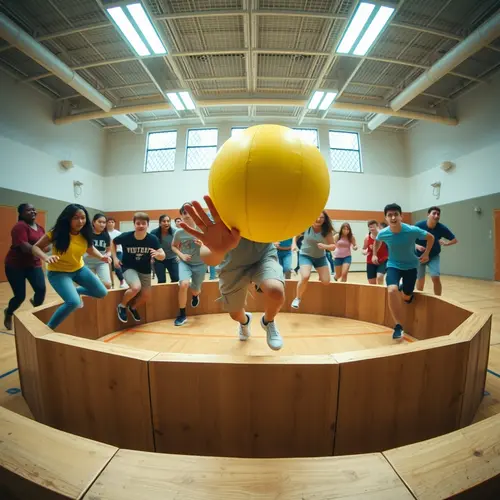
Next, fire the kids up! Get them excited. Their energy will ignite those around them. You can do this by asking choral questions, “Who’s ready for an awesome game of… ?” “Blue Team, are you ready? Red Team, are you ready?” Get them to repeat their answers until their energy level matches yours. Maybe they can come up with their own team names and team chant.
Love the Game
This guide covers youth group games in practical terms, with examples you can reuse.
You must believe in the game yourself. Any hint that you are not one hundred percent certain that this is a great game, the kids will pick up on it. So, get to know the game well, ensuring it is a perfect fit for the youth group you are working with. Read the rules, watch a video of other kids playing the game and ask questions of other teachers or youth leaders who have run the game before. Keep it simple, especially if it is your first-time running youth group games for kids.
Preparation is King
Youth group games: Key Basics
You can never be too prepared. Once you have studied the game rules, jot the rules onto a palm card to have with you when instructing the kids. Select a suitable place to play the game. If outdoors, consider the weather, safety, and boundaries for the kids. Ensure you have the equipment you need to play the game and set up as much as you can before the kids arrive to play. Think about where the kids will be when giving instructions. For example, do not have them squinting into the sun, and make sure their eyes face away from distractions.
Consider drink stops and catering for kids with special needs. Consider how you will fire the kids up and how you will deliver the game rules. Identify the boundaries for play and have a plan for managing behaviors. Will you use a whistle to gain the kids’ attention, or will you use another signal?
Most coaches revisit youth group games every season because small details matter.
Have the Goal in Mind
Before launching into all the game rules, make sure the kids know the goal, or aim of the game. If they have the goal in mind, they will better understand the rules. If you have the goal in mind, you will find it easier explaining the game rules.
Tips on Delivering the Game Rules
Make sure the kids are seated and focused on you. They must not be chatting or looking at distractions around them. Ensure all the kids that are going to play are present. You do not want late-comers arriving half-way through your instructions.
Kids have a short attention span, so be precise with your rules and keep them simple. Tell the kids they can ask questions after you have given your instructions.
Once the rules have been given, I like the players to revise them. Do this by having them find a friend and repeat the rules to them.
Use these notes on youth group games as a quick reference before your next session.
If needed, run a short demonstration of the game, or aspect of the game, using kids who know it (you may need to pre-prepare for this with selected players or helpers).
Always allow for the kids to ask questions to further clarify their understanding.
How It Works in Practice
Shared Ownership
Players will become better motivated if they are invited to suggest improvements to the game. This works well once you have played a round of the game. What I do is bring everyone together, then invite players to suggest an improvement to the group game. A show of hands will indicate if the idea is accepted by all. Tell everyone that we will trial this idea and if it works well, then keep it in the game. This gives everyone ownership. There are always excellent ideas suggested that I would never have thought of.
Halt the Game Before it Crashes
Readers often ask how youth group games works once the basics are clear.
Now that the kids are all having an awesome time playing the youth group game you introduced, it is time to kill the game before the kids get tired of it. By ending on a high note, you will have the kids eager to come back and play it again another day.
Never flog a dead horse. If your youth group game is not going to plan, or you see the kids losing interest- bring it to an end and have a break, then play the next game you have prepared.
Create the Experience
Entwine a story or theme into your group game. Maybe have characters, props or even a special costume. This enhances the experience for your players. Games such as Narnia, Star Wars and Treasure all entwine a story with characters that different players can be chosen for.
Common Mistakes to Avoid
No Bystanders
Good habits around youth group games matter more than expensive gear.
Involve the bystanders into the game. These may be siblings or parents. Put them on a team or have them umpire the game. Make sure you are playing the game as well. The kids will be excited that you are enjoying the experience with them.
Pit Stops
Lastly, make sure there are regular breaks between games or during the longer games. This allows kids to get their breath back and rehydrate. Ensure breaks are short. You do not want the kids switching off. With team games give time for players to have short team meetings to strategize.
There you have it, my top tips for running youth group games for kids, accumulated from many years working as a schoolteacher specializing in games.
Epic fun for everyone!
Related reading: youth running programs, girls youth football, youth football practice.
For official rules, records, and schedules, see World Athletics.
Frequently Asked Questions
What are the best youth group games?
The strongest options need little equipment, clear rules, and quick setup. Relay races, circle games, and ball challenges work well because every child stays involved. Rotate three or four favourites so energy stays high and nobody sits out for long.
How do you organise youth group games?
Group children by age and ability, explain one rule at a time, and demonstrate the action before starting. Keep rounds short, use a whistle or countdown for transitions, and prepare a calm activity for the final five minutes to help everyone settle.
What ages suit youth group games?
Most games adapt from preschool through early teens by changing distance, speed, and team size. Younger children need simpler instructions and more supervision, while older groups can handle scoring, tactics, and longer rounds with fewer stoppages.

Hi, I'm Syarafull! I'm a sports enthusiast active in international youth organizations — today's sweat is an investment in the future. Here, I share guides on school sports, fitness, equipment, and peak-performance strategies. I have published 2,335 sports guides here since 2022.


More Stories
The Ultimate Guide to Mastering the Crows and Cranes Game
Youth Fitness: 7 Ways to Beat Chicken Fat for Kids
7 Essential Abilities Youth Fitness Programs Must Develop